
Pull Day Workout: Beginner Template With Progression
A pull day usually combines a vertical pull, a row, and a small arm or rear-delt dose. Heavy hinges belong in the plan deliberately; they are not mandatory additions to every upper-body pull session.
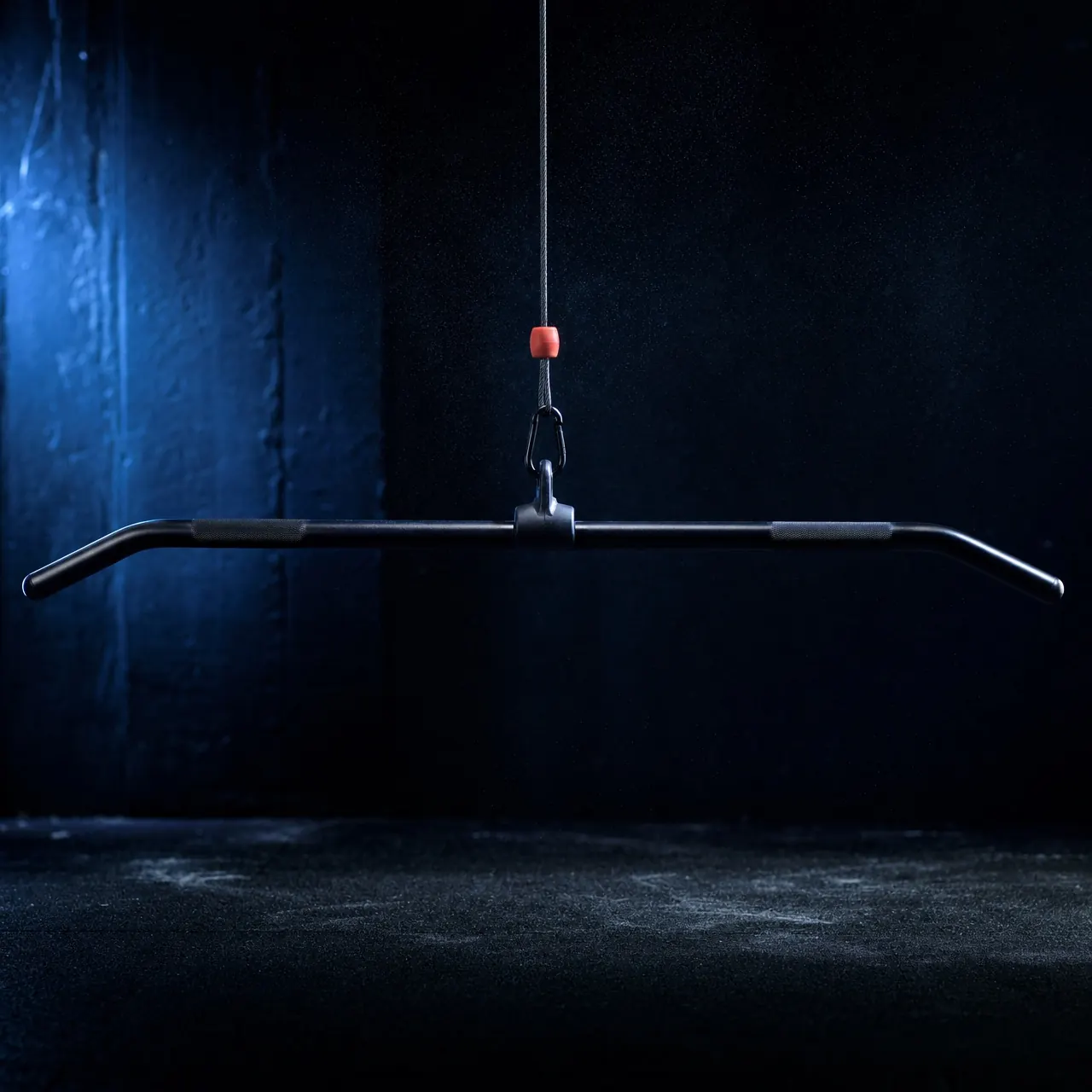
The sample session
Start with two working sets per movement. Rest around two minutes for rows and pulldowns, longer when needed, and 90–120 seconds for accessories. Include demanding hinges only when the full lower-body week supports them.
Warm up with manageable lighter sets. Use roughly two reps in reserve on working sets and keep the movement controlled. The listed dose is an example to adapt to your existing training.
| Exercise | Sets × reps | Role |
|---|---|---|
| Lat pulldown | 2 × 8–12 | Sample |
| Chest-supported row | 2 × 8–12 | Sample |
| Cable face pull | 2 × 12–15 | Sample |
| Dumbbell curl | 2 × 10–15 | Sample |
How to do the exercises
Lat pulldown
Secure the thighs and pull toward the upper chest without a large torso swing.
Chest-supported row
Support the chest and pull smoothly without lifting the torso from the bench.
Cable face pull
Use a light load and a comfortable shoulder path with a stable stance.
Dumbbell curl
Keep the trunk steady, curl smoothly, and control the return.
Keep the week balanced
Use this upper-body session within your chosen split. A PPL plan also needs a legs session; the split hub explains the rotation. The six-day split is an option for established attendance, not a requirement for beginners.
Give each pull a job
A pulldown and row use different pulling directions. More nearly identical variations are not automatically better. Use the back hub and biceps hub to select replacements when equipment or comfort changes.
Keep hinges deliberate
A heavy deadlift adds whole-body and lower-body demands. If it is already programmed elsewhere, do not add another hard hinge just because the day is called pull. The RDL guide explains a controlled accessory hinge.
Review a comparable next session
Keep machine station, exercise order, and rest reasonably consistent. Add reps within the range before increasing the load. A different cable stack number on a different machine does not prove a change in strength.
Frequently asked questions
Should a pull day include deadlifts?
It can if the weekly program assigns them there and recovery supports the dose. This sample is upper-body pulling; add a hinge deliberately rather than turning every pull day into another demanding deadlift session.
How should I progress this session?
Record the same setup and actual completed reps. Reach the top of the range on the planned working sets with comparable effort before considering the smallest available load increase. Repeat or reduce work after unsuitable targets.
How do I use this in Trainer?
Create a routine with the chosen exercises and rep ranges. Trainer suggests the next load and reps from completed history; review and edit those suggestions. This page does not perform an automatic website-to-app import.
Build a balanced week
- RPE Calculator & Chart – RPE/RIR to % of 1RM
- Progressive Overload Calculator: Next Weight and Reps
- Push Pull Legs Split: Beginner PPL Program
- RPE vs RIR: Reps in Reserve Explained
- Push Day Workout: Beginner Template With Progression
- Cable Back Workout: Rows, Pulldowns and More
- Back and Bicep Workout: 6 Moves, One Session
- Choose a full training program
Start this workout in Trainer
Create a routine with your selected movements and rep ranges. Log completed sets so Trainer can suggest the next load and reps. This page does not import the session automatically.