
 Video
Back exercises.
Rows, pulldowns, and pull-ups. Explore illustrated technique guides, muscles worked, and equipment options. Choose a movement below to see how to do it.
Page 1 of 3: exercises 1–20 of 41. Search by name or muscle, or filter by equipment, to narrow the list.
Browse 41 exercisesYour body. Your next move. Preparing the interactive view…
Explore another muscle.
Choose a muscle on the body or below. Discover the movement, see the technique, then make it yours.
Browse every exerciseBack exercises, explained
41 ways to move.
Find the one that fits.
Showing 1–20 of 41 exercises
Video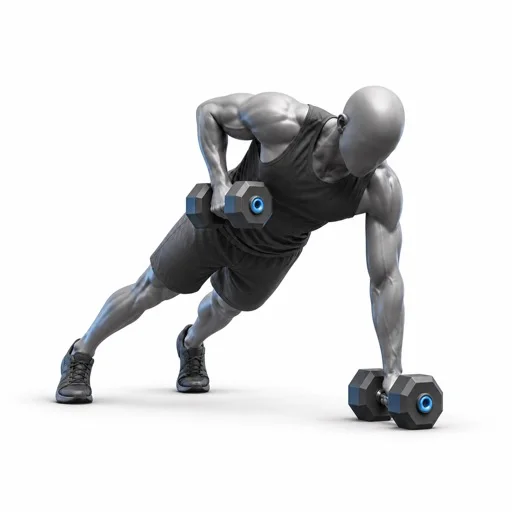 Video
Alternating Renegade Row
 Video
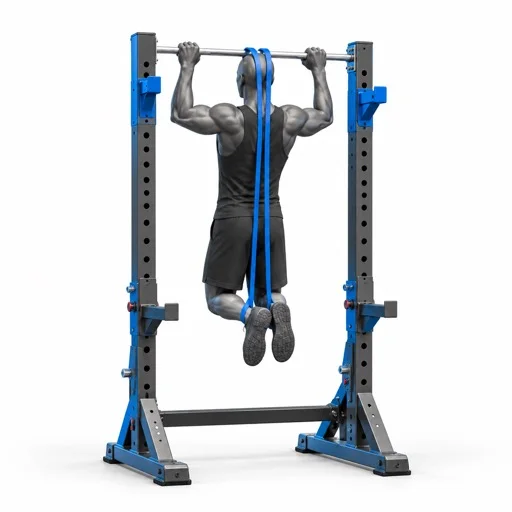
Band Assisted Pull-Up
 Video
Barbell Deadlift
 Video
Barbell Row
 Video
Bent Over Barbell Row
 Video
Bent Over Two-Dumbbell Row
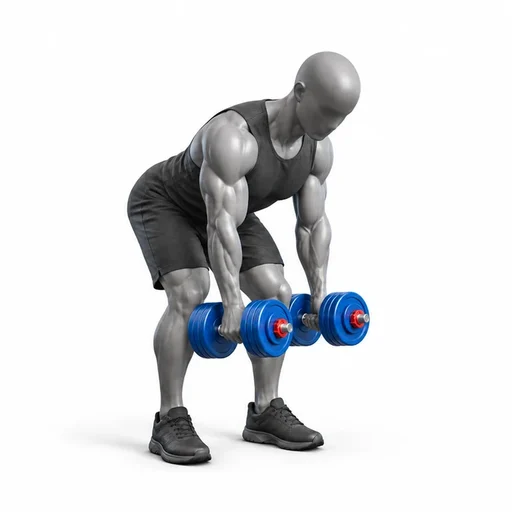
Neutral-Grip Bent-Over Dumbbell Row
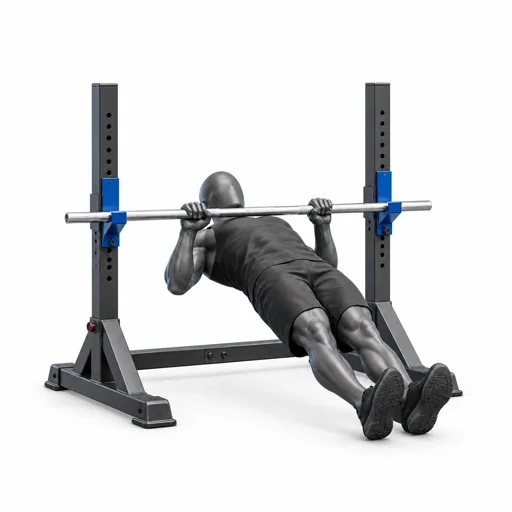 Video
Bodyweight Mid Row
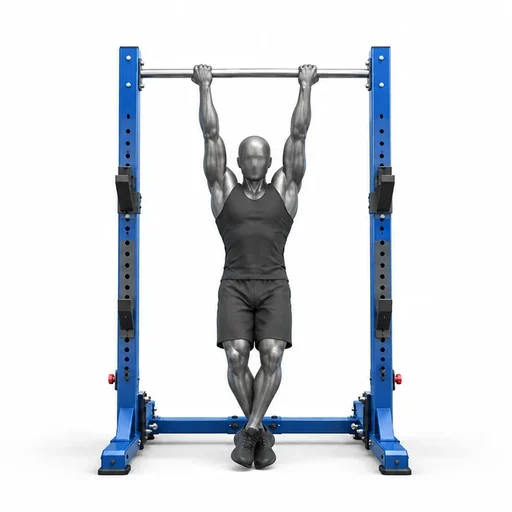
Chin-up
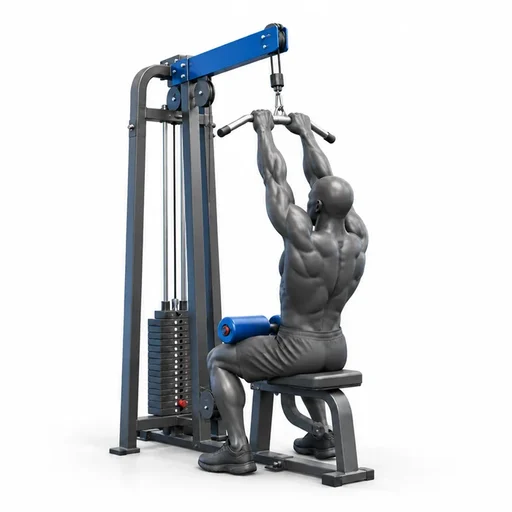
Close-Grip Front Lat Pulldown
 Video
Deadlift
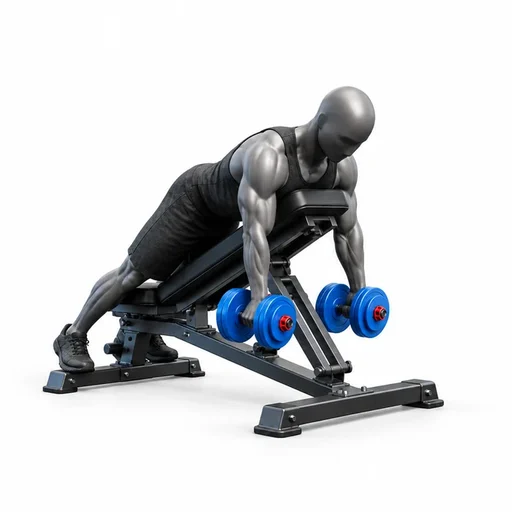
Dumbbell Incline Row
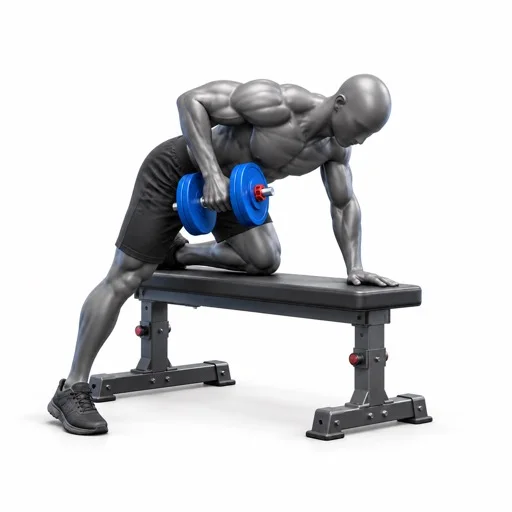 Video
Dumbbell Row
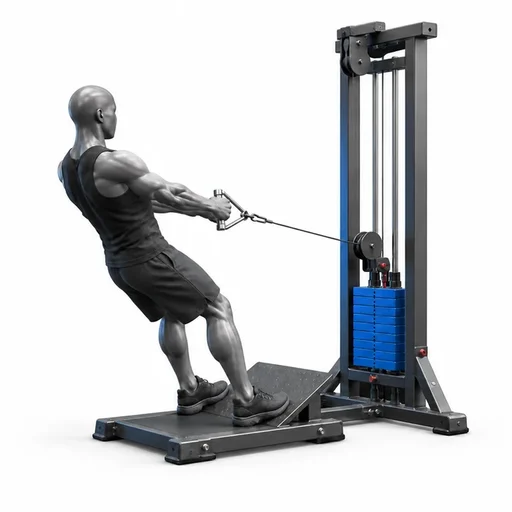
Elevated Cable Rows
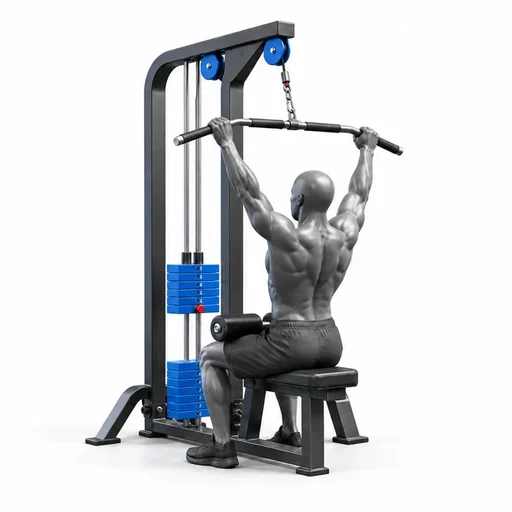
Full-Range Lat Pulldown
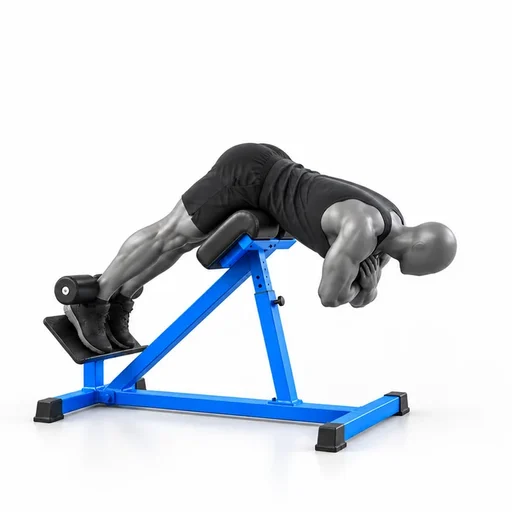
Back Extension
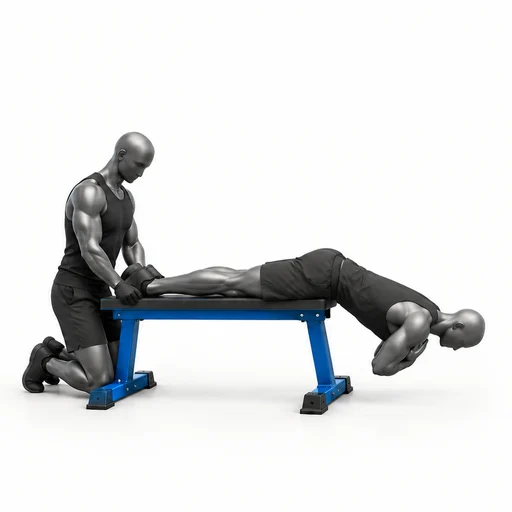
Partner-Supported Flat-Bench Back Extension
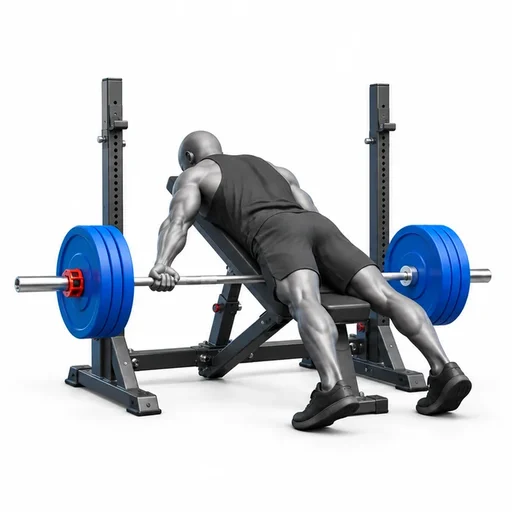
Incline Bench Pull
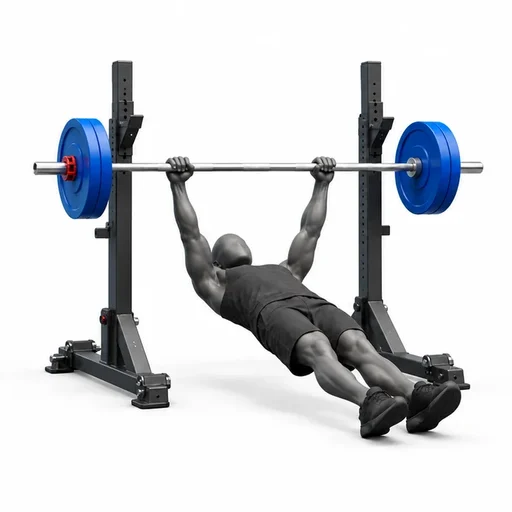
Inverted Row
Choose a movement you can repeat
Use this collection to compare setups before building your session. Open a technique guide to check the equipment, starting position, movement steps, and muscles involved. Similar exercises are alternatives, rather than a checklist to complete in one workout. Record your chosen variation and setup so you can compare the same movement when you return.
A simple place to start
Lat exercises usually include a vertical pull and a row you can repeat. A broader back workout can add upper-back work. Keep the torso controlled and choose grips that let the intended pull stay comfortable.
Vertical pulling and rowing cover different movement roles. Do not turn the menu into several nearly identical pulldowns in one workout. Start with a manageable vertical pull and horizontal row.
| Exercise guide | Sets × reps | Technique cue |
|---|---|---|
| Lat Pulldown | 2 × 8–12 | Secure the thighs, pull toward the upper chest, and control the return without swinging. |
| Seated Cable Row | 2 × 8–12 | Keep the trunk stable and pull the elbows back without a large torso swing. |
| Band Assisted Pull-Up | 2 × 6–10 | Use assistance that permits controlled reps; avoid jumping into the top position. |
| One-Arm Dumbbell Row | 2 × 8–12 per side | Support the free hand and pull toward the hip without rotating. |
| Dumbbell Incline Row | 2 × 8–12 | Keep the chest supported and control the return. |
| Straight-Arm Pulldown | 2 × 10–15 | Keep a slight elbow bend and pull handles down from the shoulders without torso momentum. |
| Face Pull | 2 × 12–15 | Use a light load and a comfortable shoulder path; this is supporting upper-back work. |
Technique mistakes to watch for
- Using a large torso swing to move the cable stack
- Comparing different machines as if their stack numbers match
- Calling every row a substitute for every vertical-pulling goal
Frequently asked questions
What if I have no lat pulldown machine?
Choose an assisted pull-up when suitable equipment is available, or a stable row as a different pulling pattern. A dumbbell pullover may offer another role but does not reproduce the full pulldown. See the alternatives guide for the distinctions.
Should I do every exercise on this list?
No. The list is an exercise menu. Start with the sample or a smaller dose that fits your current week. Similar alternatives replace a movement rather than adding every option to one workout.
How do I progress these exercises?
Record the same setup and actual completed reps. Build toward the upper rep target with consistent control, then try the smallest available load increase. Repeat or reduce work when the target or recovery is unsuitable.
Go deeper
- What the research says about the best back exercises
- Lat Exercises: Best Moves for Your Lats, by the Evidence
- Rear Delt Exercises: Best Moves for Your Rear Delts
- Upper Back Exercises: Rhomboids, Mid Traps and Thickness
- Dumbbell Back Exercises: Build Your Back With Just Dumbbells
- Lower Back Exercises: Strengthen Your Erectors Safely
- Resistance Band Back Exercises: A Full Back Workout