
 Video
Romanian Deadlift (RDL): Form, Weight and RDL vs Deadlift
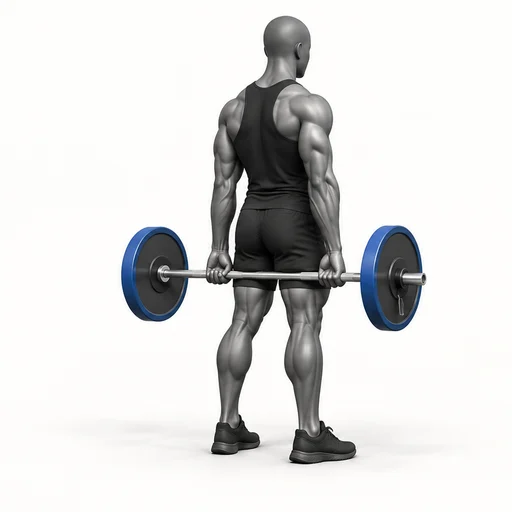
An RDL begins from standing and lowers through a controlled hip hinge. Keep the load close, soften the knees, and end the descent when your hinge range ends. Reaching the floor is not the target; repeatable position and hamstring loading are.
In this guide
Romanian deadlift form: the setup
Use a barbell or dumbbells you can control. Begin standing with feet in a stable position and a secure grip. If taking a bar from a rack, set the hooks so the unrack is manageable. A bar that starts on the floor first needs a suitable pickup; that pickup is not the first RDL repetition.
Brace the trunk before lowering. Keep a small comfortable knee bend, then move the hips backward while the weights stay close to the legs. Let the torso angle change because of the hinge rather than reaching the arms toward the floor. Keep your balance over the feet instead of rocking onto the toes.
Use a controlled range
Lower only as far as you can preserve the intended position. Depending on your proportions and current range, that can end above or below the knee. It is not a contest to touch the floor. Stand by bringing the hips forward while keeping the load close; finish tall without forcing a backward lean.
Start with two working sets of six to ten controlled reps after lighter preparation sets. That is an editorial starting example, not a universal dose. If you already have demanding deadlifts or hamstring work in the week, begin with less accessory work. Use the warm-up calculator to explore a load ramp, not to decide whether a heavy working weight is suitable.
RDL vs deadlift
| Decision | Romanian deadlift | Conventional deadlift |
|---|---|---|
| Repetition begins | Standing, then controlled lowering | A dead-stop bar on the floor |
| Main task | Repeat a hip hinge through your controlled range | Break the bar from the floor and stand |
| Knee action | A modest bend that stays reasonably consistent | More knee motion from the floor setup |
| Useful record | Same range, load, and setup each session | Same start height and controlled completed reps |
The movements overlap but do not provide identical practice. Improving an RDL does not prove an equal increase in a floor-start deadlift. The deadlift alternatives guide explains swaps by their actual job.
Choose the starting weight
First learn the movement with a light load. Use a weight that leaves roughly two or more controlled repetitions available at the end of each working set. Grip, balance, and trunk position should remain manageable. Avoid choosing a starting RDL from a percentage of another lifter's deadlift or treating a calculator estimate as a required target.
Record the actual completed load and reps. When both sets meet the upper target with the same range and similar effort, consider the smallest available increase. If the jump removes control or drops every set below the range, repeat the lighter load. Dumbbell and barbell RDLs should have separate exercise records.
Three mistakes to check
- Turning the hinge into a deep squat by progressively bending the knees.
- Lowering farther by changing trunk position after the hip range ends.
- Letting the weight drift far from the legs or leaning backward at lockout.
A short side-view recording can help you compare your own setup, but this text cannot diagnose pain or individual movement limitations. Choose a comfortable alternative and qualified feedback when needed. The technique explanations on StrongLifts' deadlift resource distinguish floor-start lifting from this accessory hinge; the cues here are an original beginner checklist.
Place the RDL in a week
Use it on a lower-body or pull session where it does not undermine the next demanding hinge day. Pair a manageable hinge with a knee-flexion option from the hamstring hub and account for the glute work already in your plan. Track the session in Trainer and review the suggested next targets before accepting them.
Frequently asked questions
Should an RDL touch the floor?
No. Lower through the hip-hinge range you can control. The descent ends before you lose the intended trunk position; the floor is not a required endpoint.
What weight should I start with?
Begin light enough to learn the hinge and complete the rep range with several controlled reps available. Do not infer a required RDL load from another lifter's deadlift.
Is an RDL the same as a deadlift?
An RDL starts standing and emphasizes a controlled hinge. A conventional deadlift starts from the floor. The exercises overlap but do not provide identical movement practice.
Put the technique into practice
9 ways to move.
Find the one that fits.
Showing 1–9 of 9 exercises


Your body. Your next move. Preparing the interactive view…
Explore another muscle.
Choose a muscle on the body or below. Discover the movement, see the technique, then make it yours.
Browse every exercise