
 Video
Dumbbell Incline Row
Learn how to do dumbbell incline row with a clear setup, controlled movement, and a technique you can repeat.
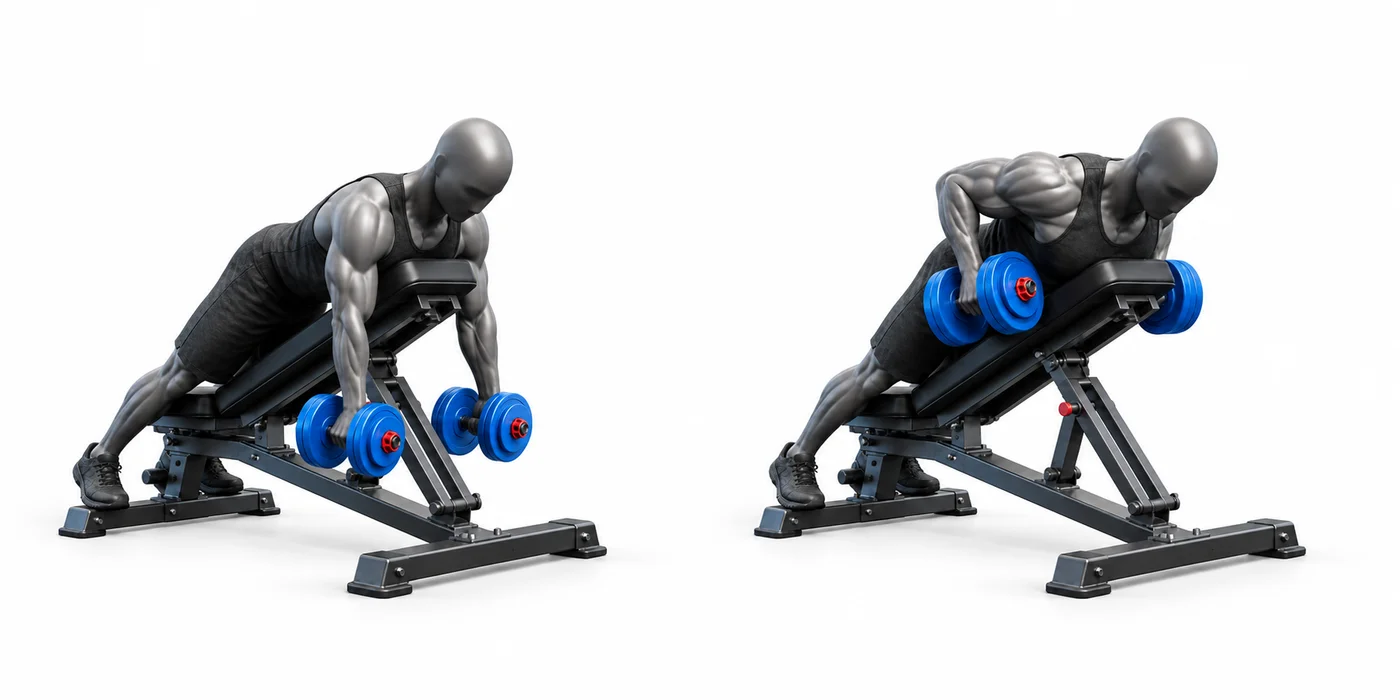
How to do dumbbell incline row
- Using a neutral grip, lean into an incline bench.
- Take a dumbbell in each hand with a neutral grip, beginning with the arms straight. This will be your starting position.
- Retract the shoulder blades and flex the elbows to row the dumbbells to your side.
- Pause at the top of the motion, and then return to the starting position.
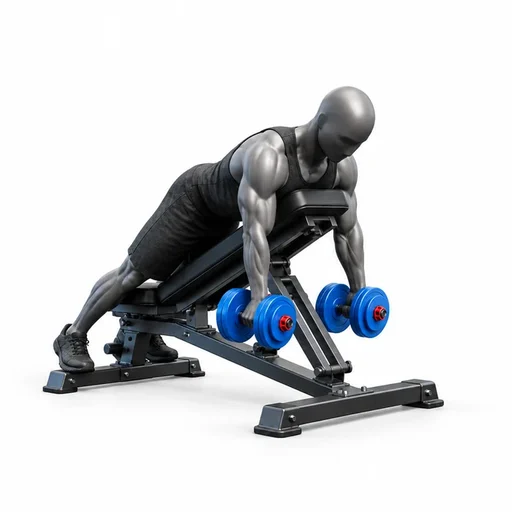
Dumbbell Incline Row: muscles worked
Primary focus: back. Supporting muscles: Biceps, Forearms, Shoulders.
Better reps before more weight.
Start with a version you can control. Record the same setup and range each time. Add reps or a small load increase when you can repeat the movement without changing the technique.
Plan your next setFrequently asked questions
How do you do dumbbell incline row?
Using a neutral grip, lean into an incline bench. Take a dumbbell in each hand with a neutral grip, beginning with the arms straight. This will be your starting position. Retract the shoulder blades and flex the elbows to row the dumbbells to your side.
What muscles does dumbbell incline row work?
Dumbbell Incline Row primarily trains the back, with the biceps and forearms and shoulders contributing. The exact demand depends on your setup, range, and chosen load.
What is the best technique for dumbbell incline row?
Set a secure grip and keep the chosen torso position repeatable. Move the elbows through the intended pull without a large torso swing. Return under control rather than dropping the weight or losing shoulder control.
What can I do instead of dumbbell incline row?
Related options include Bent Over Two-Dumbbell Row, One-Arm Dumbbell Row, Dumbbell Row. These can have different equipment, range, and movement demands. Open the guides below to compare the setups before choosing a replacement.
Related back exercises
6 ways to move.
Find the one that fits.
Showing 1–6 of 6 exercises
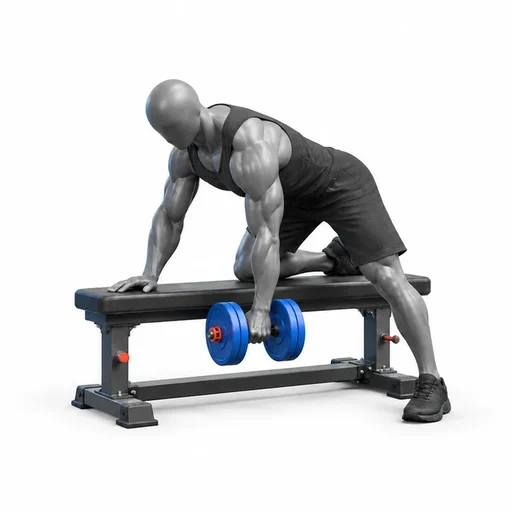
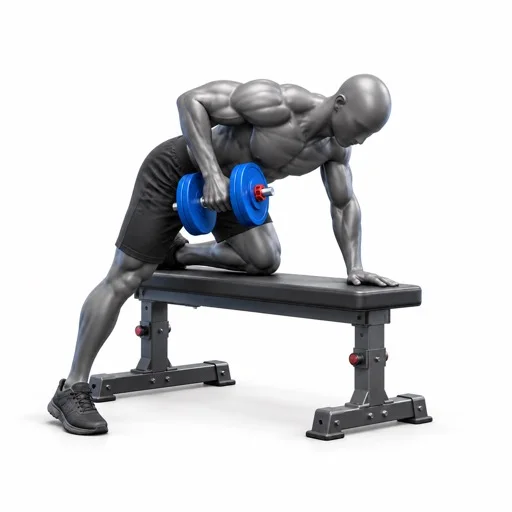


Compare related movement setups
Browse the directory pages containing dumbbell incline row and the related movements above to compare equipment and technique choices.
Your body. Your next move. Preparing the interactive view…
Explore another muscle.
Choose a muscle on the body or below. Discover the movement, see the technique, then make it yours.
Browse every exercise