
 Video
T-Bar Row
Learn how to do t-bar row with a clear setup, controlled movement, and a technique you can repeat.
Silent movement demonstration. Use the step-by-step instructions below for the setup and technique.
How to do t-bar row
- Adjust the seat height and footplate position to ensure proper alignment.
- Sit on the machine with your chest against the pad and your feet flat on the footplate.
- Grasp the handles with an overhand grip, slightly wider than shoulder-width apart.
- Keep your back straight and engage your core.
- Pull the handles towards your torso, squeezing your shoulder blades together.
- Pause for a moment at the peak contraction, then slowly release the handles back to the starting position.
- Repeat for the desired number of repetitions.

Better reps before more weight.
Start with a version you can control. Record the same setup and range each time. Add reps or a small load increase when you can repeat the movement without changing the technique.
Plan your next setFrequently asked questions
How do you do t-bar row?
Adjust the seat height and footplate position to ensure proper alignment. Sit on the machine with your chest against the pad and your feet flat on the footplate. Grasp the handles with an overhand grip, slightly wider than shoulder-width apart.
What muscles does t-bar row work?
T-Bar Row primarily trains the back, with the biceps contributing. The exact demand depends on your setup, range, and chosen load.
What is the best technique for t-bar row?
Set a secure grip and keep the chosen torso position repeatable. Move the elbows through the intended pull without a large torso swing. Return under control rather than dropping the weight or losing shoulder control.
What can I do instead of t-bar row?
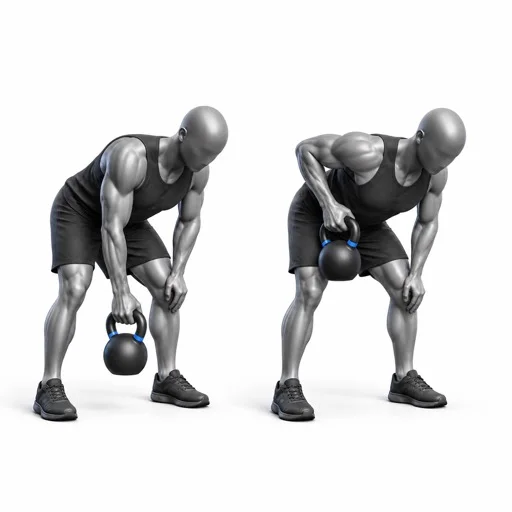
Related options include Alternating Kettlebell Row, Alternating Renegade Row, Barbell Row. These can have different equipment, range, and movement demands. Open the guides below to compare the setups before choosing a replacement.
Related back exercises
6 ways to move.
Find the one that fits.
Showing 1–6 of 6 exercises
Video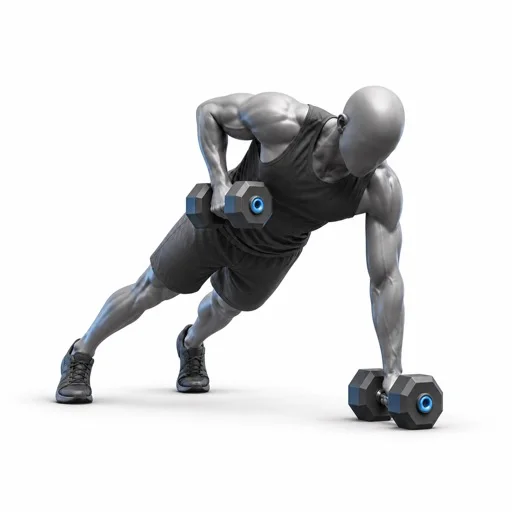 Video
Alternating Renegade Row
 Video
Barbell Row
 Video
Bent Over Barbell Row
 Video
Bent Over Two-Dumbbell Row
 Video
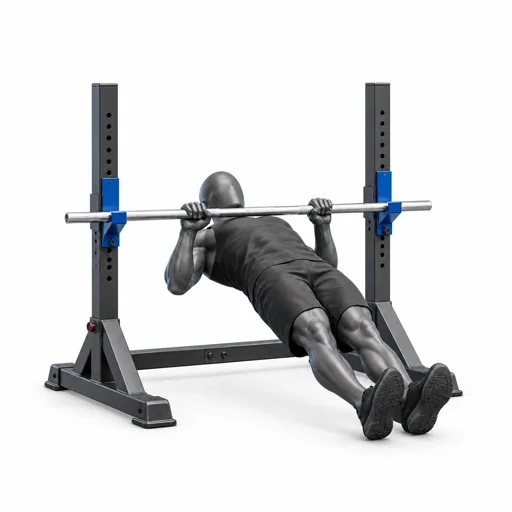
Bodyweight Mid Row
Compare related movement setups
Browse the directory pages containing t-bar row and the related movements above to compare equipment and technique choices.
Your body. Your next move. Preparing the interactive view…
Explore another muscle.
Choose a muscle on the body or below. Discover the movement, see the technique, then make it yours.
Browse every exercise