
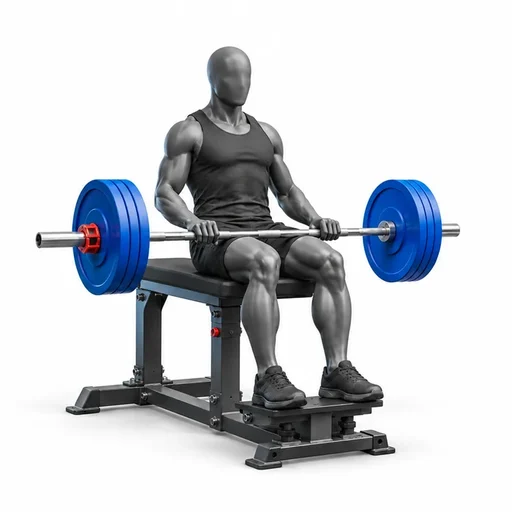
Standing Barbell Calf Raise
Learn how to do standing barbell calf raise with a clear setup, controlled movement, and a technique you can repeat.
How to do standing barbell calf raise
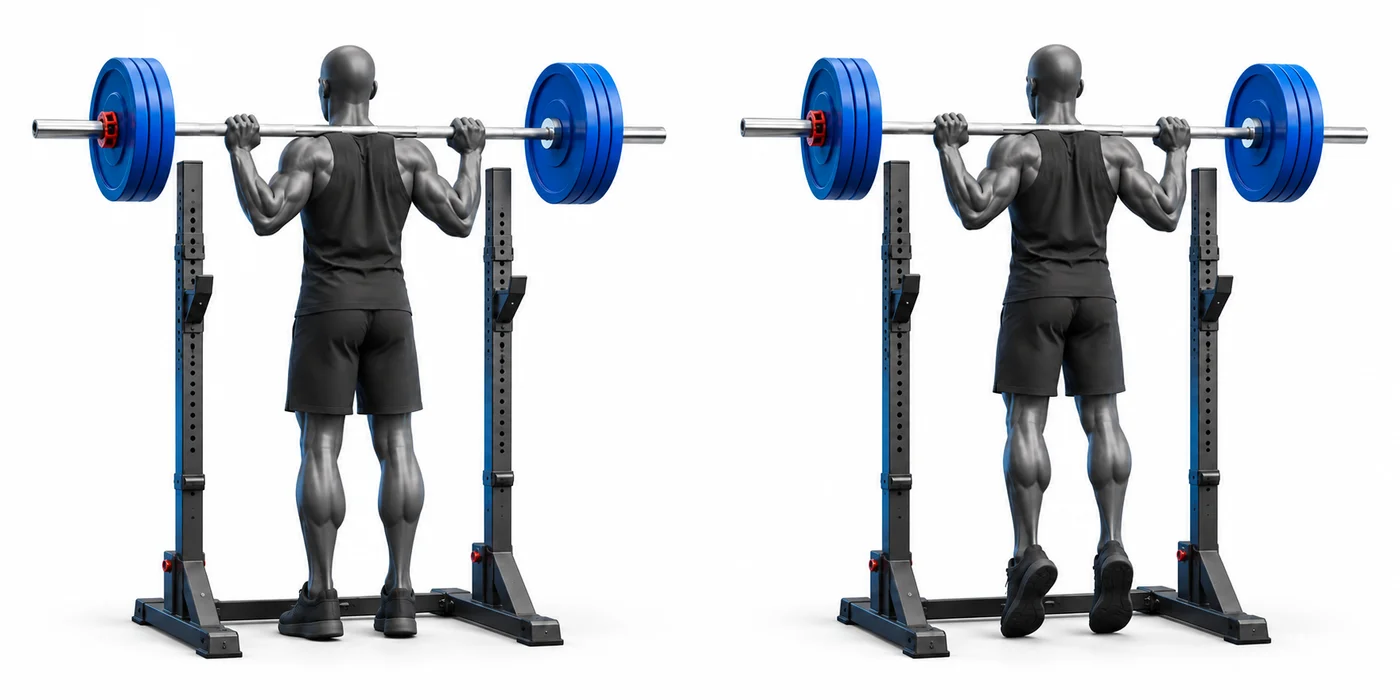
- This exercise is best performed inside a squat rack for safety purposes. To begin, first set the bar on a rack that best matches your height. Once the correct height is chosen and the bar is loaded, step under the bar and place the bar on the back of your shoulders (slightly below the neck).
- Hold on to the bar using both arms at each side and lift it off the rack by first pushing with your legs and at the same time straightening your torso.
- Step away from the rack and position your legs using a shoulder width medium stance with the toes slightly pointed out. Keep your head up at all times as looking down will get you off balance and also maintain a straight back. The knees should be kept with a slight bend; never locked. This will be your starting position. Tip: For better range of motion you may also place the ball of your feet on a wooden block but be careful as this option requires more balance and a sturdy block.
- Raise your heels as you breathe out by extending your ankles as high as possible and flexing your calf. Ensure that the knee is kept stationary at all times. There should be no bending at any time. Hold the contracted position by a second before you start to go back down.
- Go back slowly to the starting position as you breathe in by lowering your heels as you bend the ankles until calves are stretched.
- Repeat for the recommended amount of repetitions.
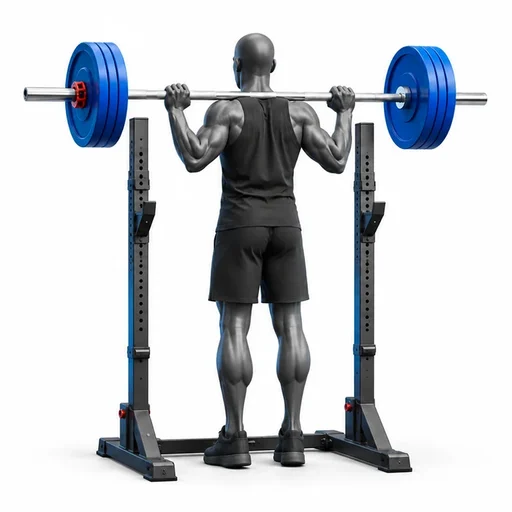
Better reps before more weight.
Start with a version you can control. Record the same setup and range each time. Add reps or a small load increase when you can repeat the movement without changing the technique.
Plan your next setFrequently asked questions
How do you do standing barbell calf raise?
This exercise is best performed inside a squat rack for safety purposes. To begin, first set the bar on a rack that best matches your height. Once the correct height is chosen and the bar is loaded, step under the bar and place the bar on the back of your shoulders (slightly below the neck). Hold on to the bar using both arms at each side and lift it off the rack by first pushing with your legs and at the same time straightening your torso. Step away from the rack and position your legs using a shoulder width medium stance with the toes slightly pointed out. Keep your head up at all times as looking down will get you off balance and also maintain a straight back. The knees should be kept with a slight bend; never locked. This will be your starting position. Tip: For better range of motion you may also place the ball of your feet on a wooden block but be careful as this option requires more balance and a sturdy block.
What muscles does standing barbell calf raise work?
Standing Barbell Calf Raise primarily trains the calf muscles. The exact demand depends on your setup, range, and chosen load.
What is the best technique for standing barbell calf raise?
Use stable support so balance does not decide the set. Raise and lower through the same controlled ankle range. Avoid bouncing out of the bottom or shortening each rep as the load increases.
What can I do instead of standing barbell calf raise?
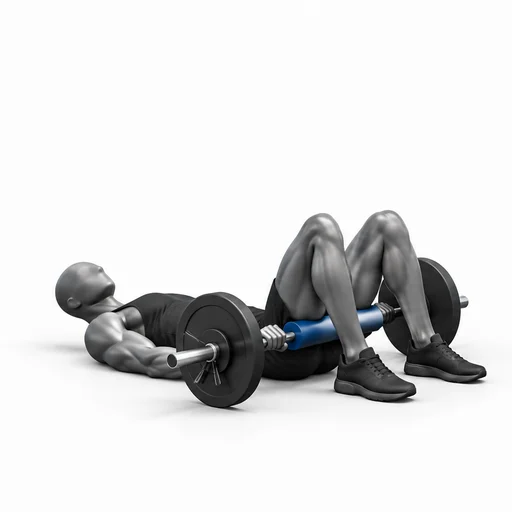
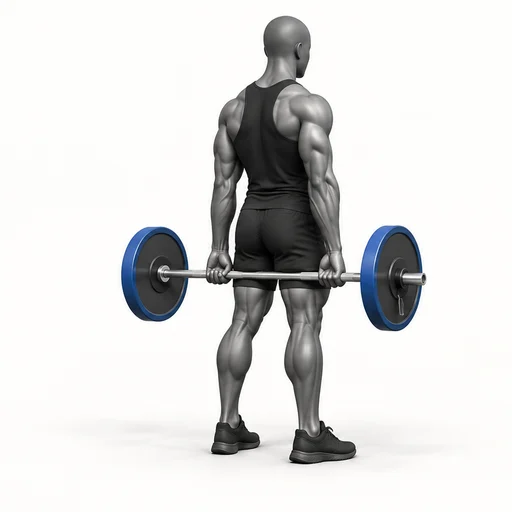
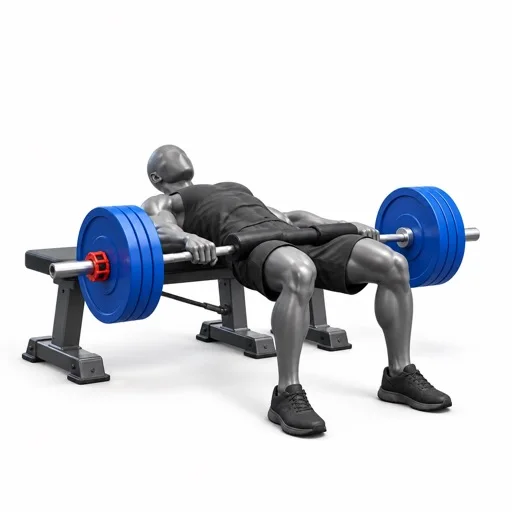
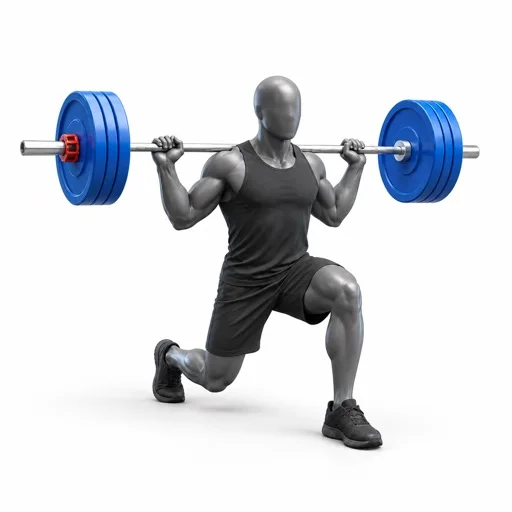
Related options include Barbell Seated Calf Raise, Barbell Full Squat, Barbell Glute Bridge. These can have different equipment, range, and movement demands. Open the guides below to compare the setups before choosing a replacement.
Related all legs exercises
6 ways to move.
Find the one that fits.
Showing 1–6 of 6 exercises
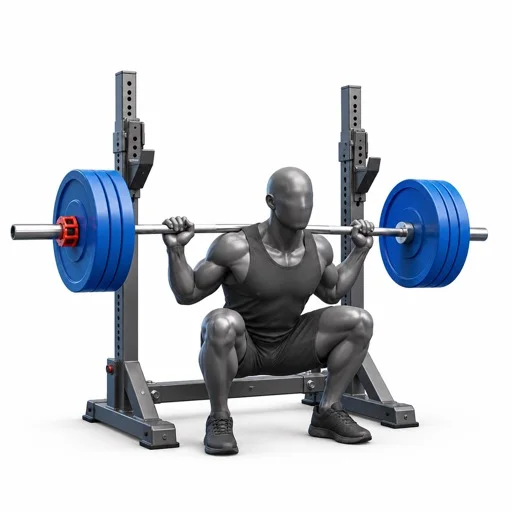
Compare related movement setups
Browse the directory pages containing standing barbell calf raise and the related movements above to compare equipment and technique choices.
Your body. Your next move. Preparing the interactive view…
Explore another muscle.
Choose a muscle on the body or below. Discover the movement, see the technique, then make it yours.
Browse every exercise