
 Video
Squat Form: A Beginner Checklist
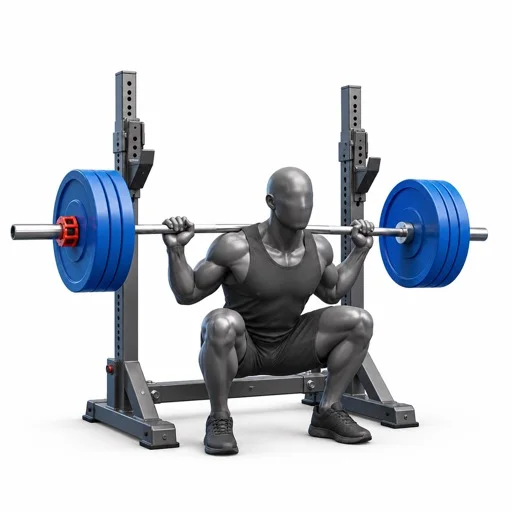
A useful squat-form checklist is stable feet, a controlled trunk, coordinated knee and hip motion, and a depth you can repeat. Choose a variation and load that fit your current ability, and use suitable safeties for barbell work.
In this guide
Start with the squat you can repeat
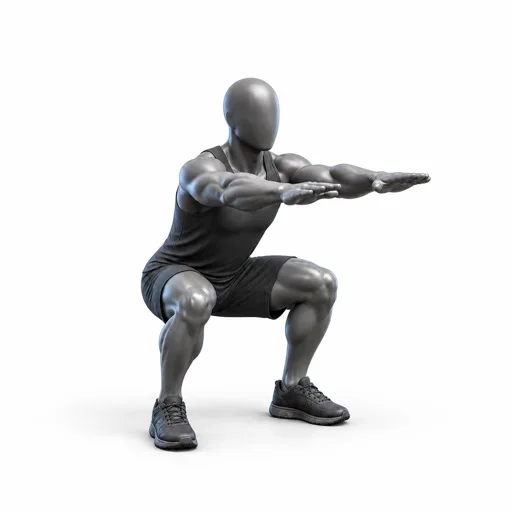
A goblet squat, front squat, and high- or low-bar back squat have different setups. Do not combine advice for all of them into one rigid posture. Begin with a manageable variation and keep its name, equipment, and range consistent in the log.
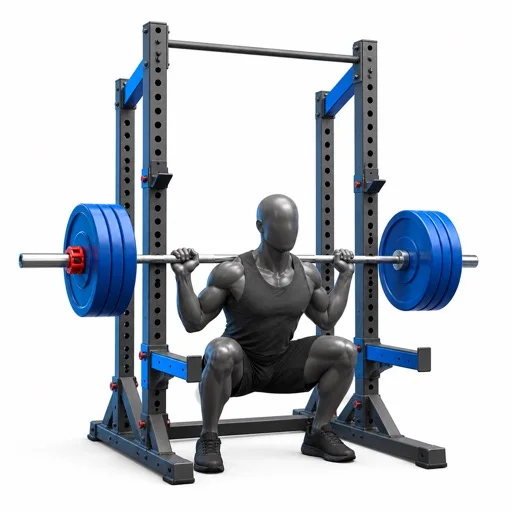
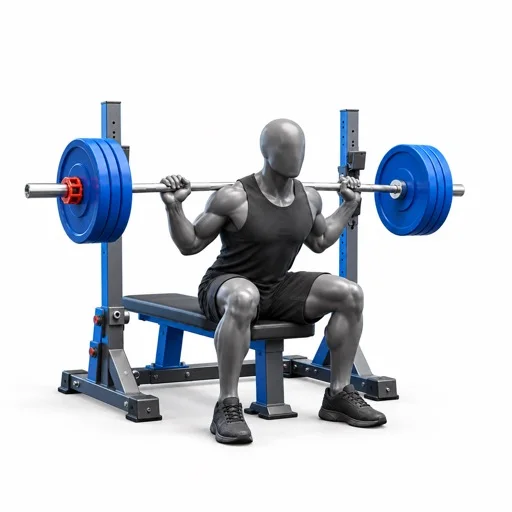
For a back squat, set rack hooks so you can unrack without standing on tiptoe or performing a deep squat under the hooks. Position the safeties for the range you intend to use. Rehearse the unrack and return with a light bar before loading the working set.
Use this setup checklist
- Choose a stable stance and comfortable toe direction.
- Secure the bar or dumbbell and brace before descending.
- Keep the feet supported while knees and hips bend together.
- Descend through a controlled range, then stand without a sudden loss of position.
- Repeat the same setup and depth on the next rep.
Your proportions and squat variation affect torso angle. A more inclined torso in a low-bar squat is not automatically the same error as losing control mid-repetition. The Starting Strength squat mechanics explanation is specifically a low-bar reference; do not apply every cue unchanged to a front squat.
Choose a useful depth
Use the controlled range appropriate to your variation, goal, and current ability. If you train for a judged competition, learn that event's depth rule separately. In ordinary training, a heavier load performed through a suddenly shorter range should not be presented as equivalent progress.
Check a light repetition from the side and front when useful. Notice whether balance shifts, the heels lift, or the trunk changes abruptly. A recording helps observe a pattern but does not diagnose an individual limitation. Reduce the load or choose a suitable alternative when the task is not comfortable or repeatable.
Starting load and working sets
Learn the movement with a light load. Two working sets of six to ten reps are one manageable beginner example after preparation sets; a named program may prescribe a different dose. Leave a few controlled reps available rather than forcing a maximum before the pattern is stable.
Use the warm-up calculator to plan lighter ramps toward a chosen working load. The tool cannot decide whether that working load or squat variation fits you. Keep warm-ups and working sets distinct in the record.
Progress without losing the movement
Add reps within the range while preserving setup and depth. Increase load by a small available amount after completing the intended sets with comparable control and effort. If the extra weight changes the movement or repeatedly misses the lower rep target, repeat or reduce the load rather than claiming progress from the bar number alone.
The progressive overload guide includes squat and plateau troubleshooting. Average squat standards describe community benchmarks, not a required load for a beginner's first session.
Mistakes worth checking
- Unracking from unsuitable hooks or training without an appropriate safety setup.
- Losing foot support while trying to imitate another lifter's stance.
- Shortening the range each week to keep increasing weight.
- Adding demanding squat volume while ignoring the rest of the lower-body week.
Choose supporting movements from the quad hub and glute hub. Keep the whole week recoverable, log completed results, and inspect Trainer's next target before using it. A stable repeatable squat gives the progression record something meaningful to compare.
Frequently asked questions
Must every squat use the same stance?
No. Proportions, variation, and comfortable range affect stance and torso position. Choose a stable repeatable setup rather than forcing one person's exact posture.
Does a bigger bar weight always mean progress?
Only comparable repetitions provide a useful comparison. A shorter range or different variation should not be counted as identical squat progression.
Where should a beginner start?
Start with a manageable variation and light load, practice the setup, and use suitable safeties for barbell work. Add working load only when repetitions remain controlled.
Put the technique into practice
9 ways to move.
Find the one that fits.
Showing 1–9 of 9 exercises


Your body. Your next move. Preparing the interactive view…
Explore another muscle.
Choose a muscle on the body or below. Discover the movement, see the technique, then make it yours.
Browse every exercise