
 Video
Rowing, Stationary
Learn how to do rowing, stationary with a clear setup, controlled movement, and a technique you can repeat.
How to do rowing, stationary
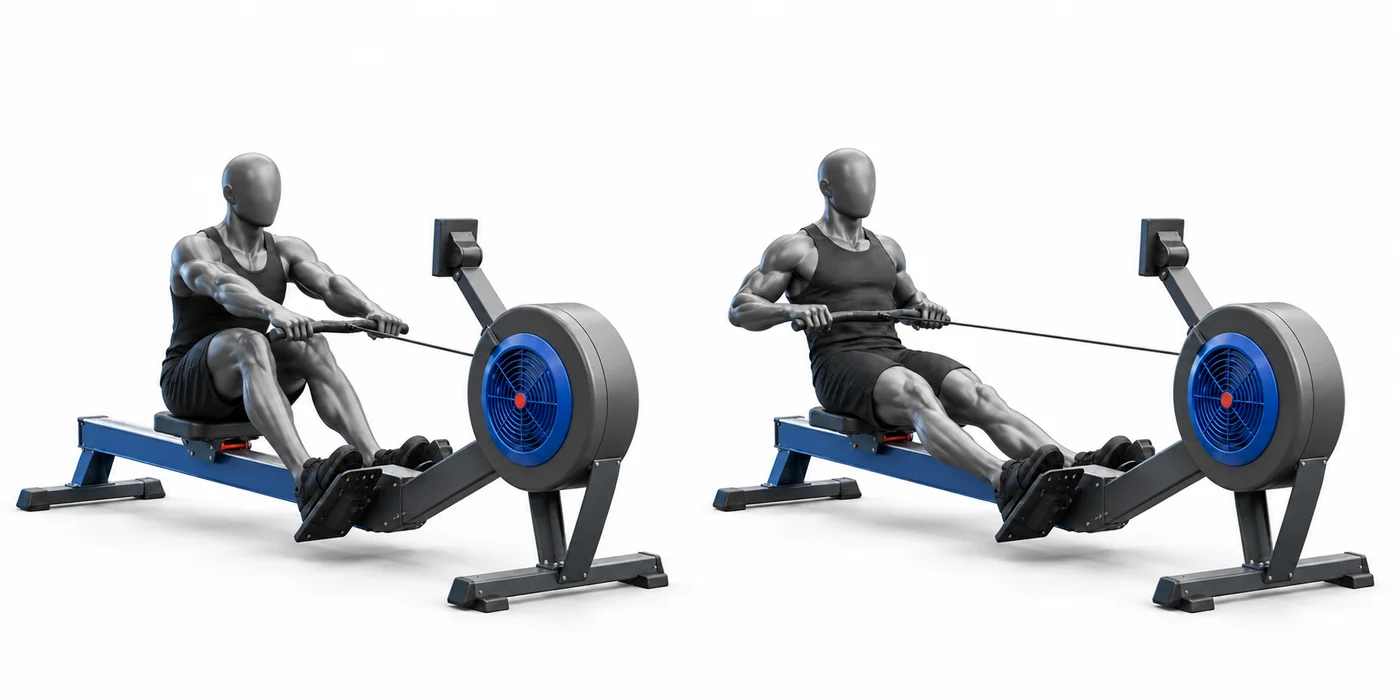
- To begin, seat yourself on the rower. Make sure that your heels are resting comfortably against the base of the foot pedals and that the straps are secured. Select the program that you wish to use, if applicable. Sit up straight and bend forward at the hips.
- There are three phases of movement when using a rower. The first phase is when you come forward on the rower. Your knees are bent and against your chest. Your upper body is leaning slightly forward while still maintaining good posture. Next, push against the foot pedals and extend your legs while bringing your hands to your upper abdominal area, squeezing your shoulders back as you do so. To avoid straining your back, use primarily your leg and hip muscles.
- The recovery phase simply involves straightening your arms, bending the knees, and bringing your body forward again as you transition back into the first phase.
Rowing, Stationary: muscles worked
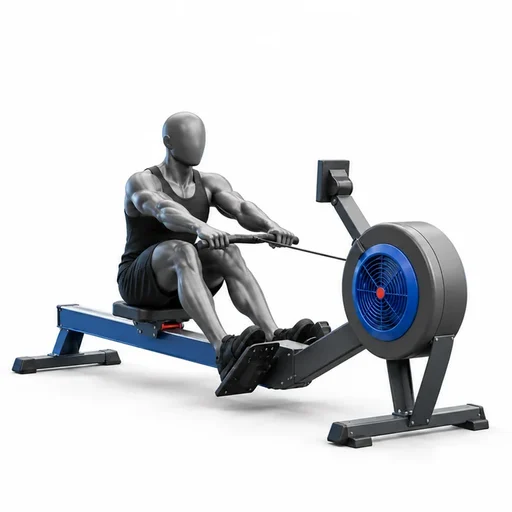
Primary focus: legs. Supporting muscles: Biceps, Back.
Better reps before more weight.
Start with a version you can control. Record the same setup and range each time. Add reps or a small load increase when you can repeat the movement without changing the technique.
Plan your next setFrequently asked questions
How do you do rowing, stationary?
To begin, seat yourself on the rower. Make sure that your heels are resting comfortably against the base of the foot pedals and that the straps are secured. Select the program that you wish to use, if applicable. Sit up straight and bend forward at the hips. There are three phases of movement when using a rower. The first phase is when you come forward on the rower. Your knees are bent and against your chest. Your upper body is leaning slightly forward while still maintaining good posture. Next, push against the foot pedals and extend your legs while bringing your hands to your upper abdominal area, squeezing your shoulders back as you do so. To avoid straining your back, use primarily your leg and hip muscles. The recovery phase simply involves straightening your arms, bending the knees, and bringing your body forward again as you transition back into the first phase.
What muscles does rowing, stationary work?
Rowing, Stationary primarily trains the legs, with the biceps and back contributing. The exact demand depends on your setup, range, and chosen load.
What is the best technique for rowing, stationary?
Set a secure grip and keep the chosen torso position repeatable. Move the elbows through the intended pull without a large torso swing. Return under control rather than dropping the weight or losing shoulder control.
What can I do instead of rowing, stationary?
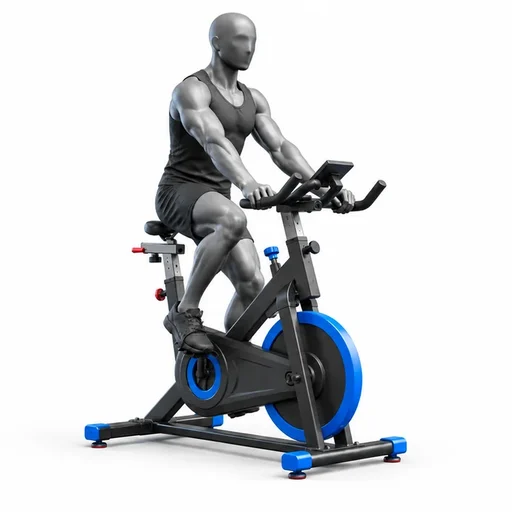
Related options include Stationary Bike, Barbell Full Squat, Barbell Side Split Squat. These can have different equipment, range, and movement demands. Open the guides below to compare the setups before choosing a replacement.
Related all legs exercises
6 ways to move.
Find the one that fits.
Showing 1–6 of 6 exercises
Video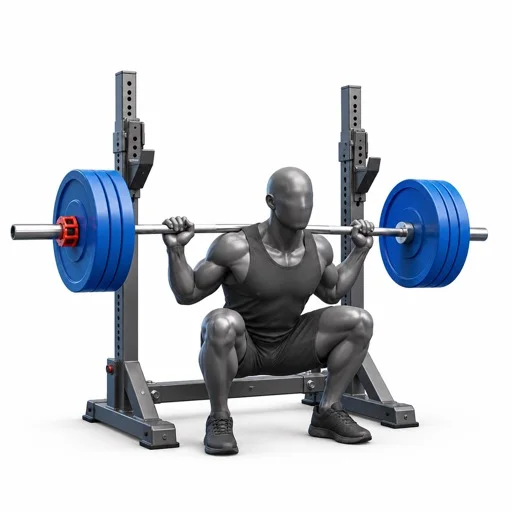 Video
Barbell Full Squat
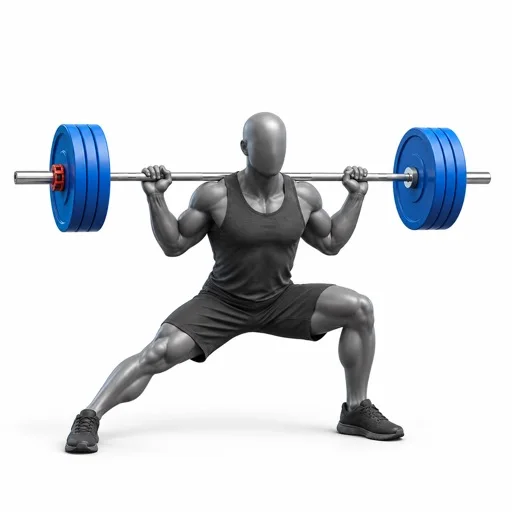 Video
Barbell Side Split Squat
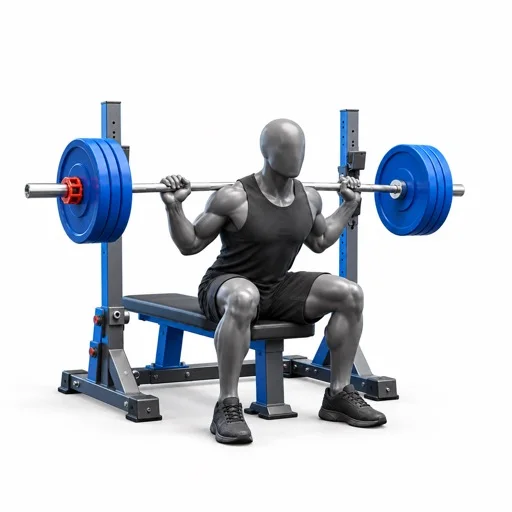 Video
Barbell Squat To A Bench
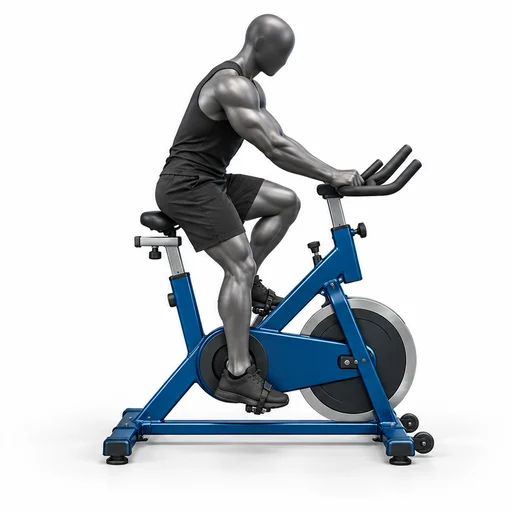 Video
Bicycling
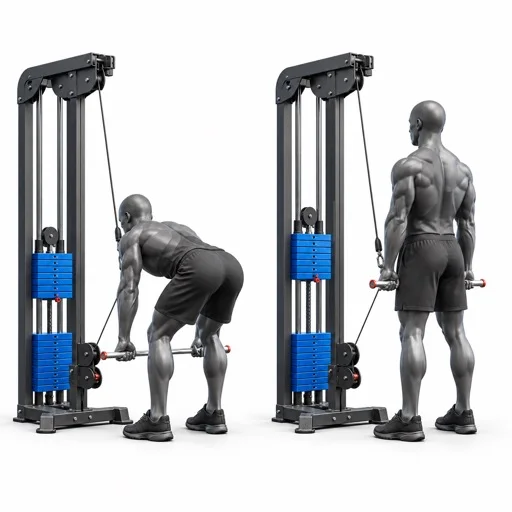 Video
Cable Deadlifts
Compare related movement setups
Browse the directory pages containing rowing, stationary and the related movements above to compare equipment and technique choices.
Your body. Your next move. Preparing the interactive view…
Explore another muscle.
Choose a muscle on the body or below. Discover the movement, see the technique, then make it yours.
Browse every exercise