
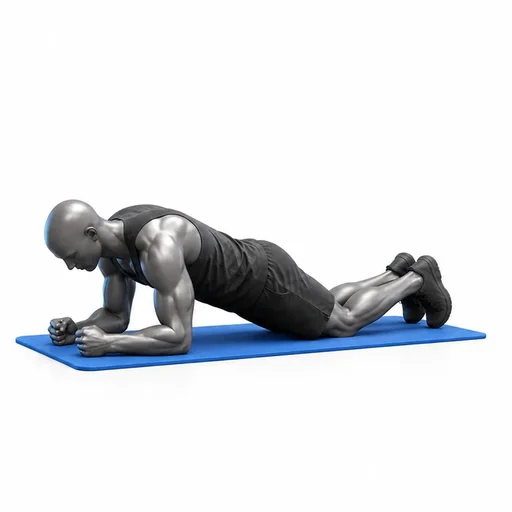
Plank
Learn how to do plank with a clear setup, controlled movement, and a technique you can repeat.
Silent movement demonstration. Use the step-by-step instructions below for the setup and technique.
How to do plank
- Start by lying face down on the floor.
- Place your forearms on the ground, with your elbows directly under your shoulders.
- Extend your legs straight out behind you, with your toes on the ground.
- Engage your core and lift your body off the ground, balancing on your forearms and toes.
- Keep your body in a straight line from your head to your heels.
- Hold this position for the desired amount of time.
- Lower your body back down to the starting position.
- Repeat for the desired number of repetitions.
Learning it from scratch? Follow the plank guide and how long to hold it.
Better reps before more weight.
Start with a version you can control. Record the same setup and range each time. Add reps or a small load increase when you can repeat the movement without changing the technique.
Plan your next setFrequently asked questions
How do you do plank?
Start by lying face down on the floor. Place your forearms on the ground, with your elbows directly under your shoulders. Extend your legs straight out behind you, with your toes on the ground.
What muscles does plank work?
Plank primarily trains the abdominals and trunk. The exact demand depends on your setup, range, and chosen load.
What is the best technique for plank?
Set the trunk position before beginning the movement or hold. Use the intended trunk action rather than arm or leg momentum. End the set when the position changes; longer is useful only while you keep control.
What can I do instead of plank?
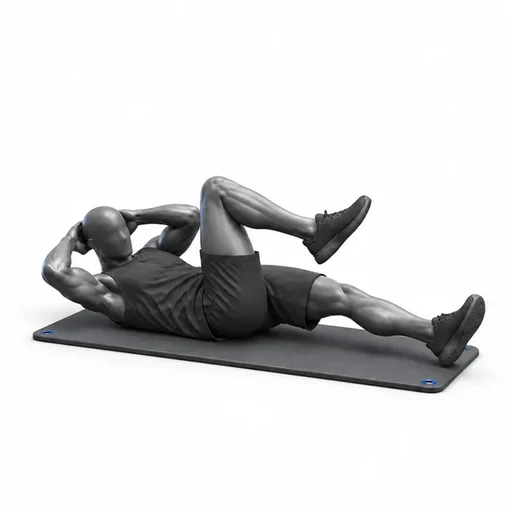
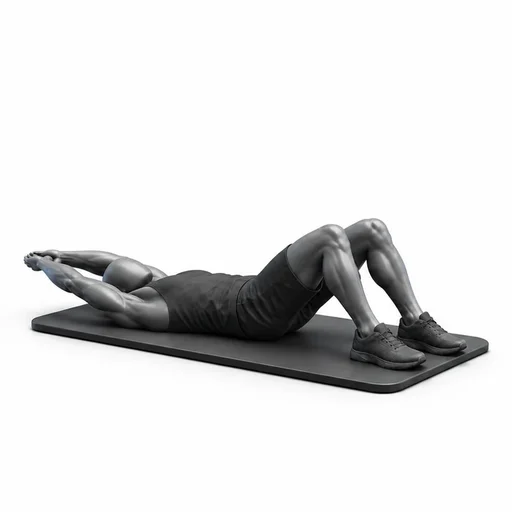
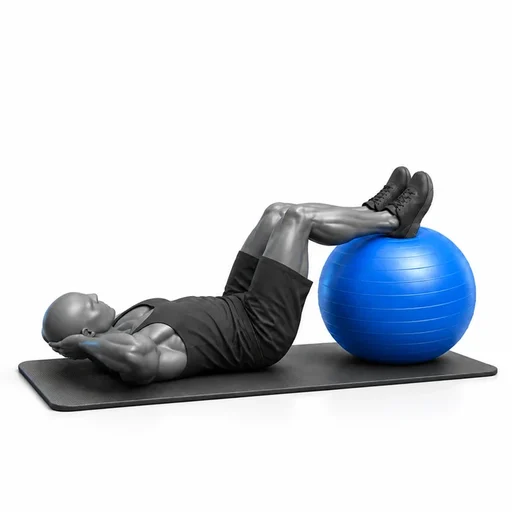
Related options include Cross-Body Crunch, Crunch - Hands Overhead, Crunch - Legs On Exercise Ball. These can have different equipment, range, and movement demands. Open the guides below to compare the setups before choosing a replacement.
Related core exercises
6 ways to move.
Find the one that fits.
Showing 1–6 of 6 exercises
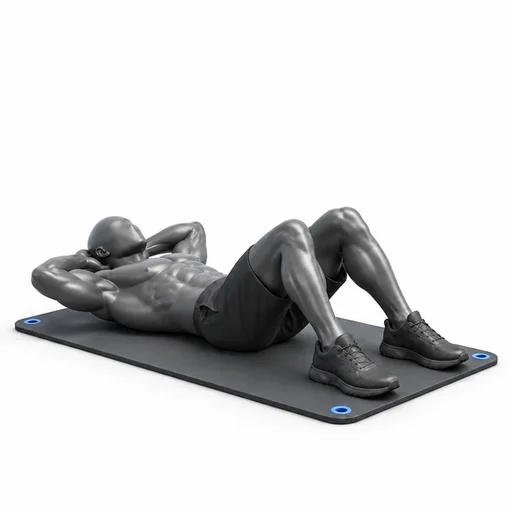
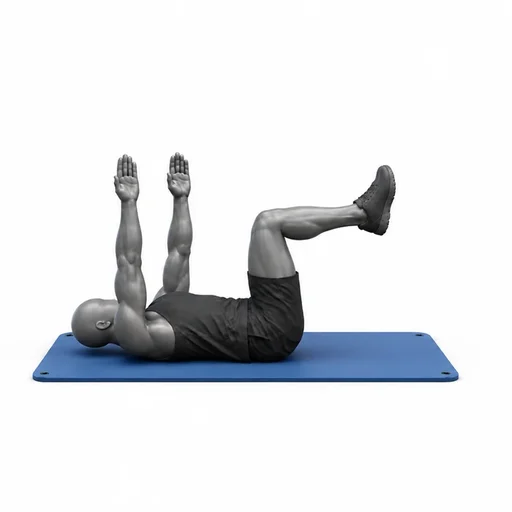
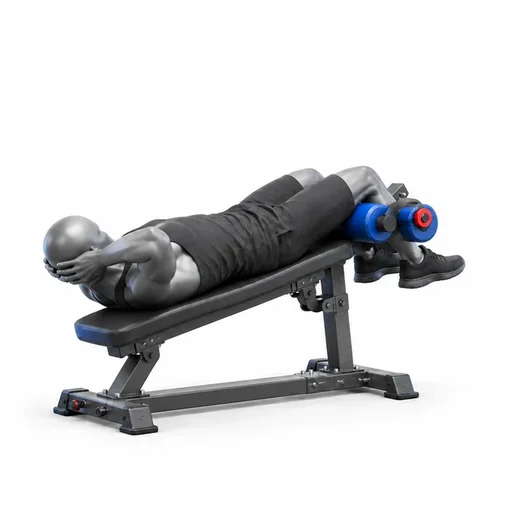
Compare related movement setups
Browse the directory pages containing plank and the related movements above to compare equipment and technique choices.
Your body. Your next move. Preparing the interactive view…
Explore another muscle.
Choose a muscle on the body or below. Discover the movement, see the technique, then make it yours.
Browse every exercise