

Kettlebell Halo
Learn how to do kettlebell halo with a clear setup, controlled movement, and a technique you can repeat.

How to do kettlebell halo
- Stand tall holding a kettlebell upside down by the horns at chest height.
- Brace your core and keep your hips still throughout the movement.
- Circle the kettlebell around your head in one direction, keeping it close to your neck.
- Return to the starting position at your chest to complete one rotation.
- Alternate directions with each rep or complete all reps one way, then switch.
- Move slowly and keep your ribs down — the goal is shoulder mobility and core control.

Better reps before more weight.
Start with a version you can control. Record the same setup and range each time. Add reps or a small load increase when you can repeat the movement without changing the technique.
Plan your next setFrequently asked questions
How do you do kettlebell halo?
Stand tall holding a kettlebell upside down by the horns at chest height. Brace your core and keep your hips still throughout the movement. Circle the kettlebell around your head in one direction, keeping it close to your neck.
What muscles does kettlebell halo work?
Kettlebell Halo primarily trains the shoulders, with the core contributing. The exact demand depends on your setup, range, and chosen load.
What is the best technique for kettlebell halo?
Rehearse the setup with a manageable load or easy variation. Follow the exercise-specific steps below through a controlled range. Repeat the same setup each set and stop when you lose control of the movement.
What can I do instead of kettlebell halo?
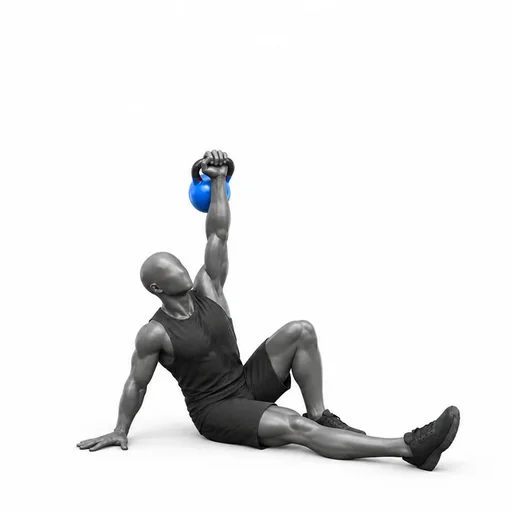
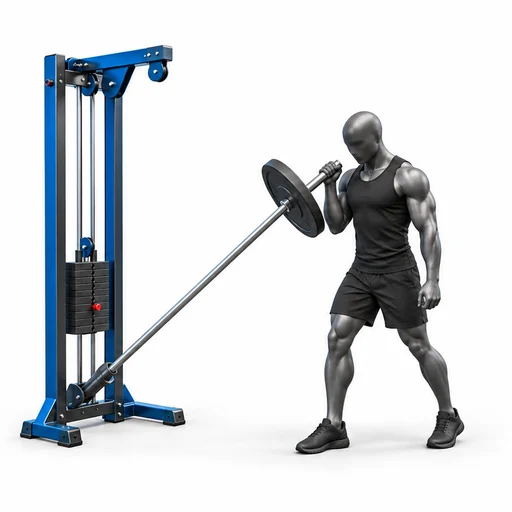
Related options include Kettlebell Press, Squat-Style Kettlebell Turkish Get-Up, Landmine Press. These can have different equipment, range, and movement demands. Open the guides below to compare the setups before choosing a replacement.
Related shoulders exercises
6 ways to move.
Find the one that fits.
Showing 1–6 of 6 exercises
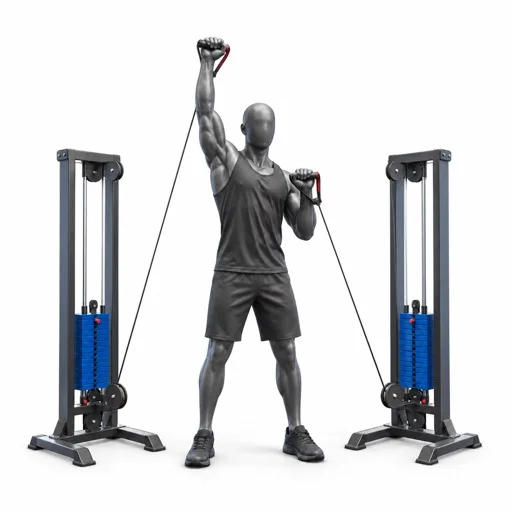
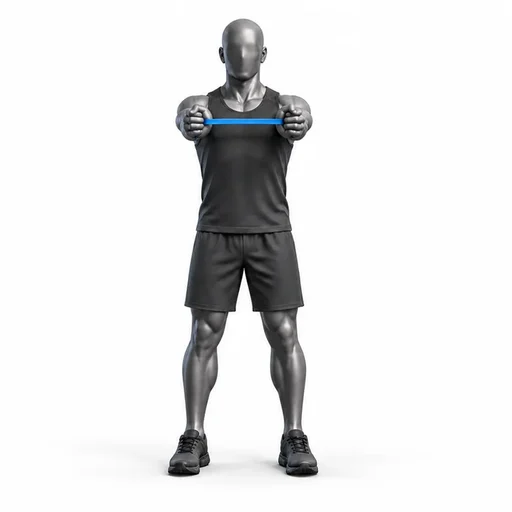
Compare related movement setups
Browse the directory pages containing kettlebell halo and the related movements above to compare equipment and technique choices.
Your body. Your next move. Preparing the interactive view…
Explore another muscle.
Choose a muscle on the body or below. Discover the movement, see the technique, then make it yours.
Browse every exercise